Teaching strategies or activities are ancillary materials that make the teaching-learning experience more knowledgeable, comprehensive and easy to understand. Creating varied teaching activities or strategies in the lesson plan helps to make the lesson plan more interesting and eye-catching. It makes the knowledge last for a long time due to changes in sensory focus. To make your classroom more interactive and fun learning, a teacher should implement the following 18 teaching activities or strategies in the classroom.
List of Teaching Activities or Strategies
Introduce Case Study
Including Case studies as a teaching and learning activity in the lesson plan helps to evaluate how carefully students can read the case study and evaluate the answer to the question asked from the case study.
Use Flashcards
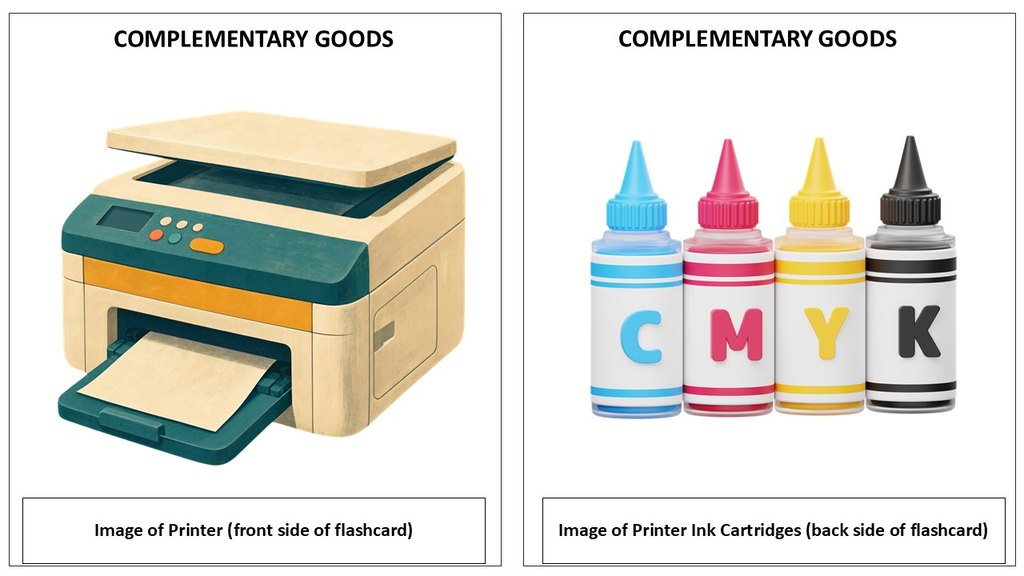
Suppose you are teaching Complementary Goods concept to the students; you can use flashcards here. Paste one side of flashcard – image of printer and back side of flashcard – image of ink cartridges, so you can explain how, due to a spike in purchases of printers, the demand for ink cartridges subsequently increased.
Slogans/Taglines
Use slogans or taglines to add a fun element in the class. Try to sing that slogan or tagline in rhythm. So, eventually, it will attract students’ attention. If you are teaching students about branding, you can create a game where you can sing different brands’ slogans or taglines and then ask them to guess the brand name.
Developing Questions
Always add questions based on prior knowledge of the learner before introducing the topic to the students and add it in series of interlinked questions like a chain of question-answer series.
Storytelling
A teacher can add a storytelling activity in the lesson plan while explaining the concept in the classroom. Always remember it attracts the students’ attention. Suppose you are teaching about “E-commerce”, so you can create a story on that topic and tell the story with full expressions and gestures. And try to start the story with “Once upon a time” or “Once there was a…”
Use Slides for teaching activities
Including slides in the classroom helps to connect the students’ minds with reality. It boosts long-term memorisation of the topic among students. Suppose you are teaching about marketing, so you can take examples of big burger giants’ sales strategies, such as 4-in-1 combo deals by combining burgers with beverage, nuggets and fries. Here, you can showcase the deals or offers that were featured on billboards through slides.

Use Fishbowl for teaching activities
In this activity, teachers need to add multiple chits in the fishbowl, and students have to pick the chits and read the word or activity mentioned in the chit and perform or explain it as mentioned in the chit.
Gamified Quiz
A gamified quiz is like a video game where all students need to participate, and whoever chooses the most correct answers within the given time wins the quiz. In addition, if student give correct answer, then just like video game powers add in their account like 1 hint or removing 2 incorrect answers or flip the question or double the score and if someone choose wrong answers then reduction in scores. At the end of the gamified quiz, the leader board shows every student’s score.
Live demonstration
Performing a live demonstration in class boost the curiosity among students to know more about the topic and transforms written knowledge into practical experience, where students get to see this activity happening and also enrich teacher-student interaction. If you are teaching about homogeneous and heterogenous mixture by doing a live demonstration by mixing water with sugar and water with chickpeas represents how uniformly and differential distributed particles.

Provide if Scenarios
Asking If scenarios such as “If you are sales manager in a software service company, so which sales strategy would you offer to make your software profitable” to students to stimulates the imaginative critical thinking pattern among students.
Show image and ask
Suppose you are teaching about “Market”, then you can show an image of buyers and sellers where they are buying and selling vegetables and fruits. After that, ask a question based on that image: Name the place where you can see buyers and sellers.

Crossword game as teaching learning activities
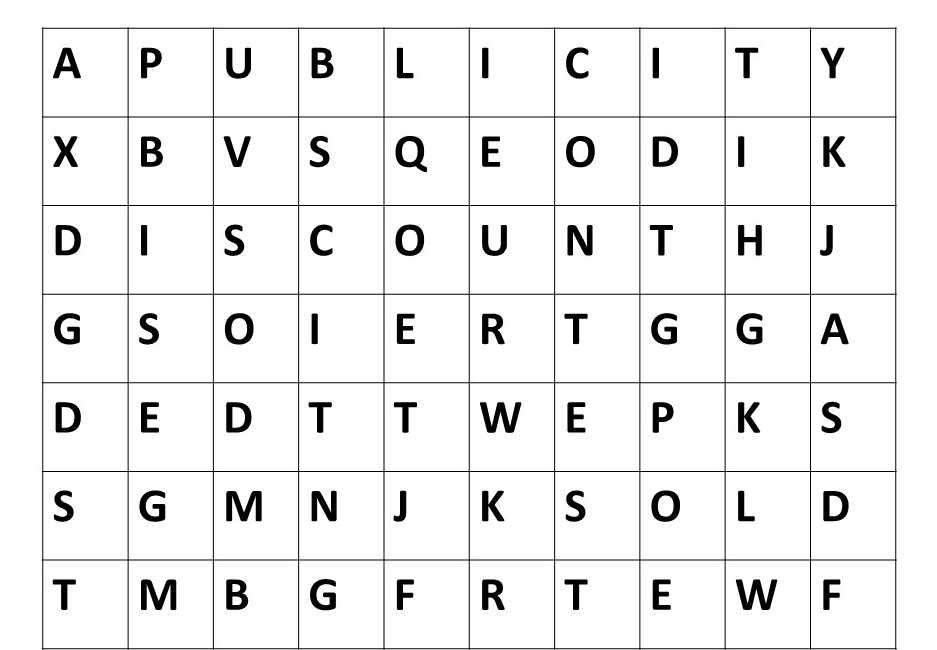
Including crosswords in lesson plans helps to boost cognitive development in students. Suppose you are teaching about “types of sales promotion” so you can draw crossword game on this topic and inquire to discover different sales promotion strategies in Crossword Game.
Spin the wheel as teaching activities
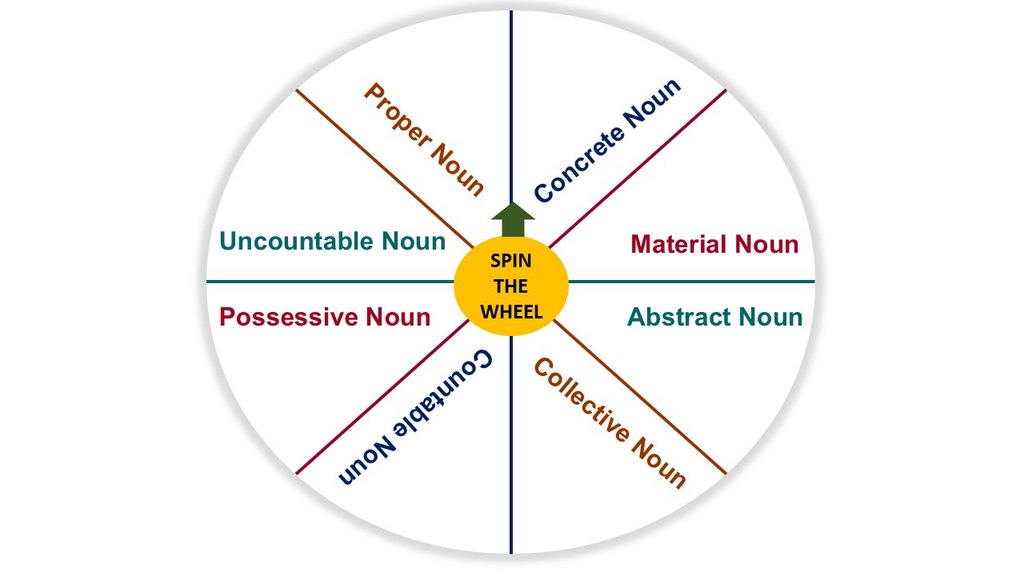
Suppose you are teaching about “nouns”; then you can create a game, e.g., spin the wheel on examples of nouns by creating a circular wheel on the board and then dividing it into equal sections. On each section, you need to mention these titles: proper noun, material noun, common noun, collective noun, abstract noun, concrete noun. Then you can call each student to spin the wheel, and when the wheel stops on a specific name, that student needs to give one detailed example on that topic.
Role paly as teaching activities
Role play helps students learn how to build teamwork, a collaborative attitude, self-expression abilities, teamwork skills, creativity, problem-solving skills, imaginative thinking, and improve knowledge about the topic. But to introduce role play in the classroom, you need to follow a few rules, such as student-teacher coordination, assigning roles to the students, presenting the role play within the given duration, while considering that discipline should be maintained in the classroom.
Turn statements into guessing game
Create statements and then guess them for short-word replies. If you are teaching about “Market”, then you can formulate statements such as “King of the Market” or “Sellers’ act of mixing white stones in rice”.

Card matching
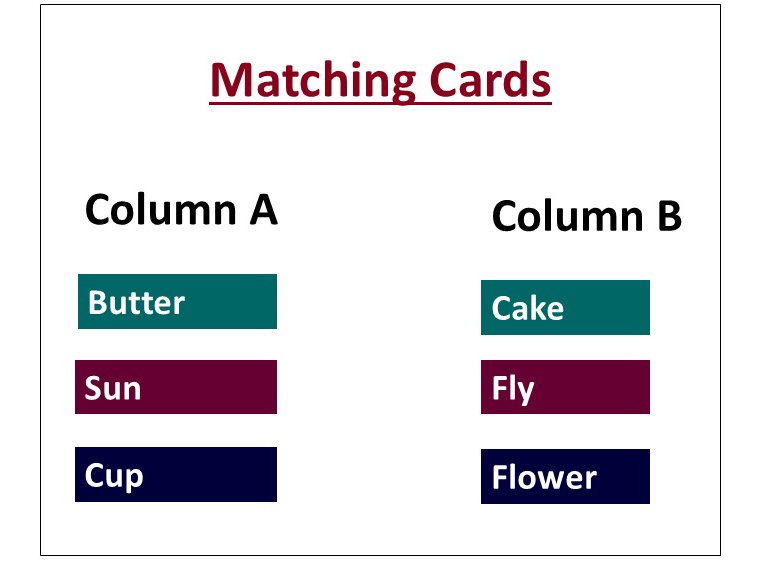
If you are creating a questionnaire on “Compound Nouns”, then use a card-matching game to match the correct cards from the different sets of cards in 2 tables. Suppose in column A, show “Butter, Sun, Cup” and in column B show “Flower, Cake, Fly” cards, and ask students to match the given cards with the correct ones and create a compound noun such as “Butter + Fly = Butterfly, Cup + Cake = Cupcake and Sun + Flower = Sunflower”.
Real life examples
Using real-life examples in the lesson plan helps to showcase the reality and practicality of today’s world scenario. To support your real-life examples as a teacher, you should use newspaper reports, research paper findings, and academic books. If you are teaching students about “Consumer Court Cases”, then you can use real consumer court cases, but always remember to support your example with verified sources such as the consumer forum website and newspapers.
1 minute quick challenge
A 1-minute quick challenge is like a rapid-fire round where the teacher can evaluate students’ understanding of conceptual knowledge. But here, students need to answer the questions as fast as they can; this means they don’t have enough time to think. As a teacher, you need to prepare at least 15-20 questions for a 1-minute quick challenge.
Thus, use these teaching activities or strategies in the classroom to get rid of the monotonous environment of the classroom and also to enhance the students participation by strategically force them to brainstorm their minds.
More Lesson Plans related to Commerce, Business Studies and Economics
Microteaching Lesson Plans of Commerce, Business Studies and Economics
Others: